










Mosquitoes have all but vanished from parts of the United States this summer, and residents in states like Minnesota say they cannot remember a season this quiet. A historic drought sweeping through the West and Midwest has cut mosquito populations by as much as 50 to 70 per cent in some regions. Normally that would sound like good news for anyone tired of bug bites. But scientists are worried, because the drop in mosquito numbers has coincided with a sharp rise in West Nile virus cases across the country. The two trends appear to contradict each other, yet researchers say there is a clear and troubling explanation behind why fewer mosquitoes can still mean more disease.
Why mosquito populations have crashed across the US
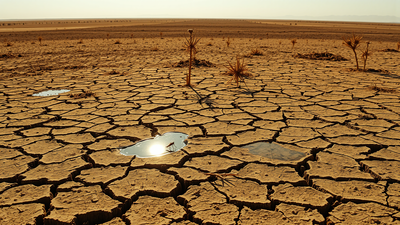
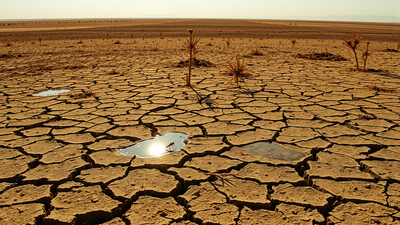
The drought driving this year’s mosquito decline has been unusually severe, stretching from the western states through the Midwest and touching places like Minnesota, North Dakota and Colorado. In Colorado, some experts estimate mosquito numbers have fallen by as much as 70 per cent compared to a typical year. Residents have noticed the difference firsthand, with several telling local reporters they have barely needed insect repellent this summer despite years of dealing with heavy mosquito activity. The cause is simple. Mosquitoes need standing water to breed, and a dry spring followed by a punishing summer has left far fewer puddles, ponds and wetlands for them to lay eggs in.
How drought is quietly raising the risk of West Nile virus
Even with fewer mosquitoes buzzing around, health officials say the danger from West Nile virus has not eased at all. So far this year, the virus has caused a wave of infections severe enough that case numbers are running well ahead of the historical average, with the current season tracking as one of the worst in more than two decades. The Centres for Disease Control and Prevention has been monitoring the surge closely, and its ongoing surveillance data shows infections spreading across dozens of states even as overall mosquito counts fall. Arizona has recorded the highest concentration of cases and deaths this year, with Colorado and Utah also seeing elevated numbers.
What the science says about drought and disease spread
The explanation lies in how drought changes mosquito and bird behaviour rather than how many mosquitoes exist. When water sources shrink, both mosquitoes and the birds that carry West Nile virus are forced to gather around the same limited puddles, ponds and irrigation ditches. That crowding increases the chances of a mosquito biting an infected bird and then passing the virus on to a person. A peer-reviewed study published in the journal Proceedings of the Royal Society B titled The paradoxical impact of drought on West Nile virus risk: insights from long-term ecological data found that drought conditions paradoxically raise the rate of West Nile virus infection even as they reduce overall mosquito numbers, a pattern the researchers linked to mosquitoes and birds concentrating around dwindling water supplies. The finding echoes what public health experts have observed on the ground this year, where a quieter mosquito season has not translated into a safer one.
Why the mosquito season itself is getting longer
Beyond this year’s drought, researchers point to a broader climate trend that is reshaping mosquito activity across the country. An analysis by the nonprofit research group Climate Central found that the temperature conditions suitable for mosquitoes to spread West Nile virus now last about 18 days longer each year on average compared with the early 1970s, based on data from hundreds of American cities. Nearly all of the cities studied showed an increase in these so-called mosquito disease days, with the biggest jumps recorded in the southeast, northeast and northwest. That longer window gives mosquito populations more opportunities to rebound once drought conditions ease, and experts caution that a quiet summer can be followed by a much larger swarm if rain returns suddenly.
What this means going forward
Public health specialists say the current lull in mosquito numbers should not lead to a false sense of security. Species behave differently under stress, and some, including those that thrive around shrinking lakes and reservoirs, are managing to multiply even as overall populations fall elsewhere. That has already played out around Utah’s Great Salt Lake, where mosquitoes remain abundant despite dry conditions elsewhere in the state. Experts continue to recommend the same precautions during any drought year, including clearing standing water around homes, using approved repellents and staying alert to symptoms of West Nile virus, since even a smaller mosquito population can carry an outsized risk. With mosquito populations expected to rebound once the drought breaks, researchers say this year’s paradox is a reminder that fewer bites do not always mean less danger.