









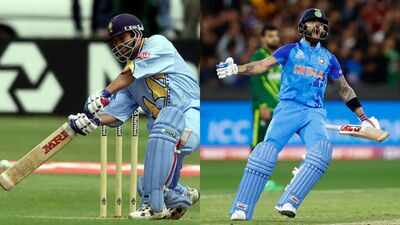
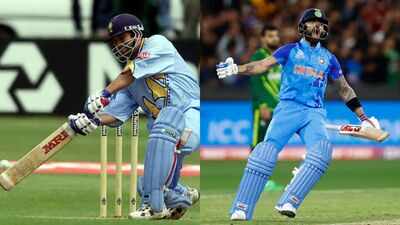
I think it was a Friday. A nippy October evening in the early 90s. A time when people in different parts of our country were manufacturing horrendous events to be adapted by Bollywood 30 years later. Punjab, Kashmir, Bihar, Tamil Nadu etc – it was the Ranji trophy of tragedy. Times were not that great. And that day was another addition to the list.Side Lower Berth: This coloumn is on observations about India and Indians from the best vantage point. Aquib Javed, the Pakistani pacer, had just run through the Indian batting line-up. India were bundled out for 190, chasing 262 in the Wills Trophy Finals at Sharjah. Yes, It was a Friday. I distinctly remember walking back from Gupta ji’s house with my heart heavier than my school-bag. Gupta ji was the Area-rich-guy, a local maxima, who not just had a TV, but also an inverter-battery setup. Being rich in India was just about insulating yourself from the governmental apparatus. Govt Schools, Hospitals, Electricity etc. The first thing you did with money was to buy yourself immunity from the state. 30 years later it is still true.Gupta ji would switch on his Onida Color TV, hook it up to the battery, and open the doors of his house for all the colony kids & adults to watch Ramayan & India-Pak Cricket matches, uninterrupted. His heart was definitely larger than his living room. That’s what Rich people did in those days, they let you watch TV. And they basked in the glory of the turnout. That’s how they counted their wealth.“OUT”The room let out a collective sigh. Sachin had just got dismissed on a duck. LBW to Aaquib. After collecting his composure, Gupta ji looked at us & flashed a wry smile. The gold in his tooth gleamed. It was a signal for the crowd to dissipate. There was no use of lingering on, and sucking up precious battery life. The ETA of grid electricity was still 2-3 business days.And we all walked back to our respective un-batteried homes, heartbroken.And then something strange would happen. Life outside refused to cooperate with my grief. The paani puri wala continued serving customers as if nothing had happened. A little girl happily argued for one extra sukha puri. An uncle negotiated over the price of potatoes as though the 3 farm laws had been passed. Auto-walas happily refused customers. Nobody looked devastated. Nobody appeared emotionally destroyed by India’s middle order.I would look at all of them and wonder whether they had discovered the secret to a happier existence. Maybe they simply didn’t follow cricket. Maybe they had wisely decided that voluntarily attaching their emotions to the performance of eleven strangers was not a sensible life choice.After all, what exactly had I lost?No money. No job. No relationship.Nothing that would matter on Monday morning. The players didn’t know I existed. The sponsors certainly didn’t. I was just a cohort they wanted to trick into buying more cola or shampoo. Nobody cared for a mare data-point like me.Why, then, was I behaving as though a personal tragedy had struck my family? It seemed irrational.And then, a few years later. Sachin would hit a six over the head of Michael Kasprowicz at the same ground in Sharjah. All philosophical inquiry would immediately cease. The pom-poms would come out.This emotional roller-coaster slows as we age though.Because As we grow old, we guard our emotions in a Fixed deposit rather than recklessly investing it around. We can’t afford a mental downtime with all the commitments & responsibilities. Staying up late on a Sunday night to watch a league match, which goes to a super over? Maybe yes. But if your team loses, that baggage makes work suffer the next day. We get more ROI driven.You begin to realise the peculiar contract cricket signs with its followers. It asks for disproportionate emotional investment in return for absolutely no material benefit. There is no dividend. No certificate of participation. No loyalty points for surviving the 90s. Just memories. A Sharjah heartbreak. A Desert Storm. Kolkata 2001. Johannesburg 2006. Wankhede 2011. Gabba. MCG. You swear you have had it enough. After every crushing defeat, we make the same declaration. Enough. I can’t do this anymore.And then one fine evening, You see Kohli facing the 5th ball of the Haris Rauf over at MCG, and everything resets. A caucasian commentator says “It’s the shot of an emperor” And we return with goosebumps.Each generation inherits a different highlight reel, a different batting prodigy, and the addiction continues. Perhaps that’s why cricket survives every prediction of its decline. It isn’t just a sport we watch. It’s a timeline against which we measure our own lives. Cricket matches you saw with your father, with your college friends, with your colleagues, with your spouse, with your own kids, and your grandkids. The scorecards become bookmarks in our own biography. Remember where were you when Dhoni hit the winning six in 2011? I do.We return, not because we expect cricket to make our lives better. But because, somehow, it reminds us of every version of ourselves that has ever loved it. From crouching in Gupta ji’s living room, to becoming a Gupta ji yourself.Abhishek Asthana is a tech & media entrepreneur. He runs a creative agency called GingerMonkey & is also the Co-founder of Knot Dating, a VC funded matrimony startup.