






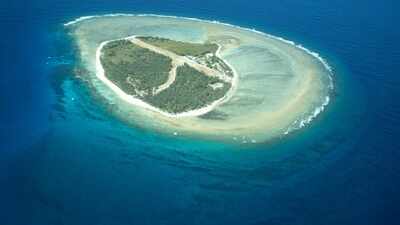
In 1969, when pilot Don Adams set foot on Lady Elliot Island for the first time, he saw very little of the tropical paradise visitors know today. The coral cay at the southern tip of Australia’s Great Barrier Reef had been stripped almost bare after over a decade of mining in the late 19th century. Miners removed much of the nutrient-rich soil and vegetation, and introduced goats, which prevented new plants from taking root, leaving a windswept landscape of exposed coral rubble. Adams, however, believed that the degraded island could be revived and secured a tourism lease from the Australian government to embark on an ambitious restoration project. He flew fresh water, planted thousands of trees and laid the foundations for what ultimately evolved into one of Australia’s longest-running ecological recovery stories. According to Australia’s Department of Climate Change, Energy, the Environment and Water (DCCEEW), the island’s recovery highlighted how long-term restoration can help revive degraded reef ecosystems.From barren coral cay to a restoration experimentLady Elliot Island’s decline began in 1863 when commercial guano mining commenced under government leases. Historical accounts cited by Lady Elliot Island Eco Resort noted that miners removed roughly three feet of guano-rich soil while clearing almost every tree on the island. The nutrient loss devastated the island’s ability to support vegetation and seabird colonies, while introduced goats made things worse for the soil. Mining ceased in 1874, but the ecological damage lingered for decades, leaving the coral cay largely barren. Notably, while guano mining transformed several reef islands, Lady Elliot became one of the most severely altered examples.When Don Adams flew over Lady Elliot in the late 1960s, he envisioned a destination where tourism and conservation could coexist. The island’s official history mentioned that Adams’s 1969 tourist recreation lease required him to construct a grass airstrip and establish basic visitor lodging. Instead of limiting his efforts to development, the pilot launched a revegetation program, flying in drums of fresh water and thousands of seedlings from mainland Queensland and nearby reef islands. During the program, casuarinas, pandanus, pisonia, native mulberry and other coastal species gradually took root despite the nutrient-poor coral substrate. ABC News reported that Adams and his family personally planted many of the island’s earliest surviving trees, thus laying the foundation for today’s recovering ecosystem.
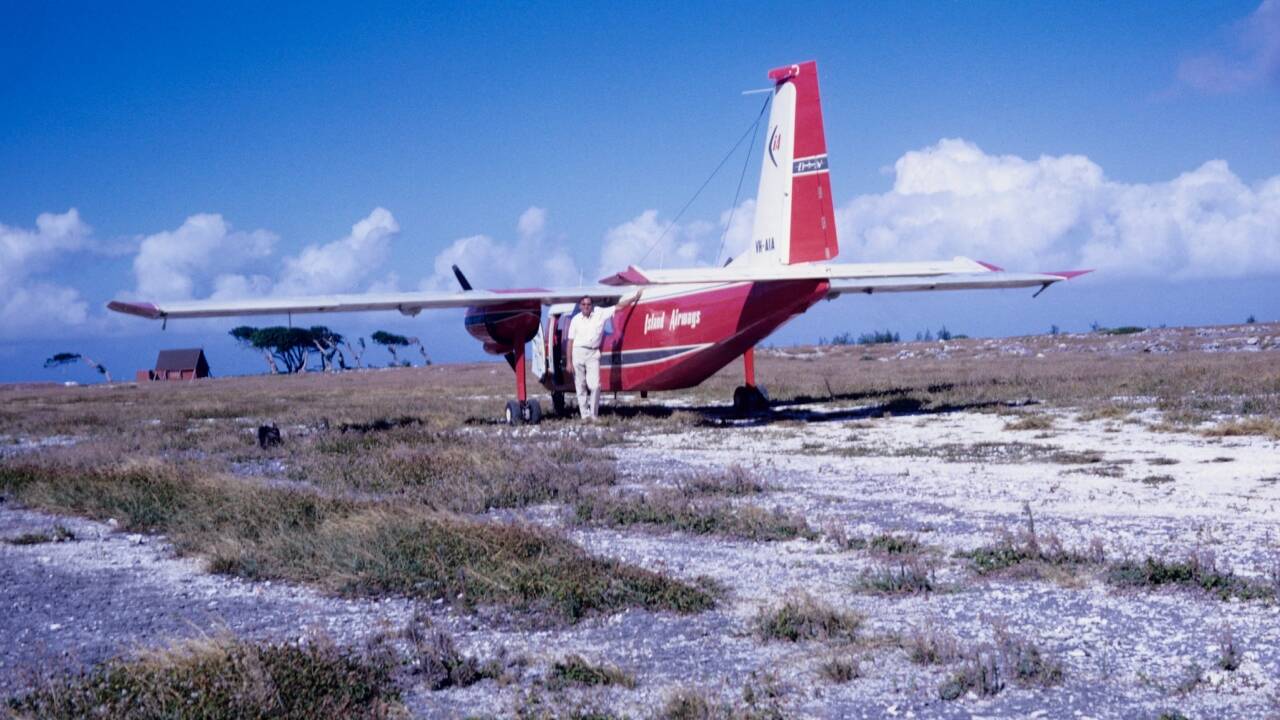
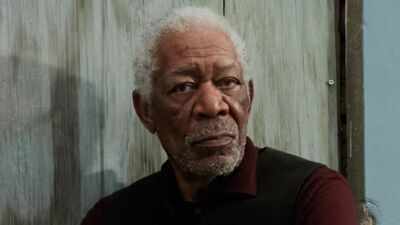
Don Adams first Tourist Resort operator circa 1969. Image credits: Lady Elliot Island Eco Resort
Native trees brought back the once lost wildlifeDCCEEW noted that the slow return of vegetation triggered broader ecological recovery as native trees stabilised the fragile coral cay, creating nesting habitats for seabirds and improving natural nutrient cycling through bird guano. It is worth noting that with time, increasing seabird populations deposited nutrients that further enriched the otherwise infertile coral landscape, thus helping other native plants establish themselves. Today, Lady Elliot supports large breeding colonies of noddies, terns, shearwaters and other seabirds, while its surrounding reef provides habitat for manta rays, reef sharks, turtles and hundreds of fish species. Additionally, the island lies within the Great Barrier Reef Marine Park’s highly protected Green Zone, where fishing and extractive activities are prohibited, further strengthening biodiversity recovery.Scientists increasingly recognise that restoring reef islands involves more than planting trees. DCCEEW’s Reef Islands Initiative notes vegetation helps anchor sediments, reduces erosion from storms and sea-level rise while providing essential habitat for nesting seabirds and turtles. These functions strengthen the ecological connection between coral reefs and adjacent islands, supporting nutrient exchange and improving ecosystem resilience. Notably, restoration projects across the Great Barrier Reef are now applying the learnings from islands such as Lady Elliot by removing invasive species, re-establishing native coastal forests and rebuilding degraded habitats using long-term ecological monitoring.In 1977, Adams sold his commercial recreation lease to Barrier Reef Airways, which operated basic flight transfers and rustic day tours. To modernize the island’s management, the Australian Government restructured the framework in 1984 by calling for public tenders to construct a fully managed, low-key eco-resort. Following this, the island saw several custodians before the lease transferred to the current management group of Peter Gash. Since 2005, the current operators have planted more than 10,000 additional native trees while investing heavily in sustainable tourism infrastructure.