






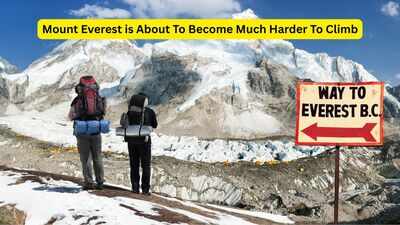
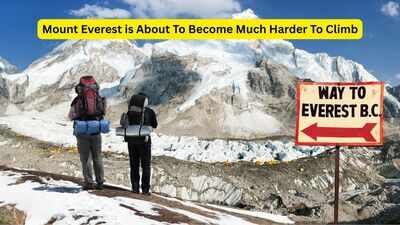
Standing atop Mount Everest is probably the bucket-list dream of every mountain climber which represents ultimate achievement. However, it is one of those dreams which comes with its set of difficulties, permissions and finances. And with Nepal’s new rules, climbing Everest has become much harder than before. According to a TNN report, Nepal has decided to move ahead with sweeping changes to its mountaineering regulations that aim to improve safety, reduce overcrowding and ensure that only experienced climbers attempt the 8,848.86-metre summit.As per proposed law, which has been approved by Nepal’s National Assembly and is part of broader tourism reforms, aspiring climbers will first need to successfully summit a mountain of at least 7,000 metres within Nepal before they can receive a climbing permit for Everest (if implemented). Reason behind Nepal’s new rules
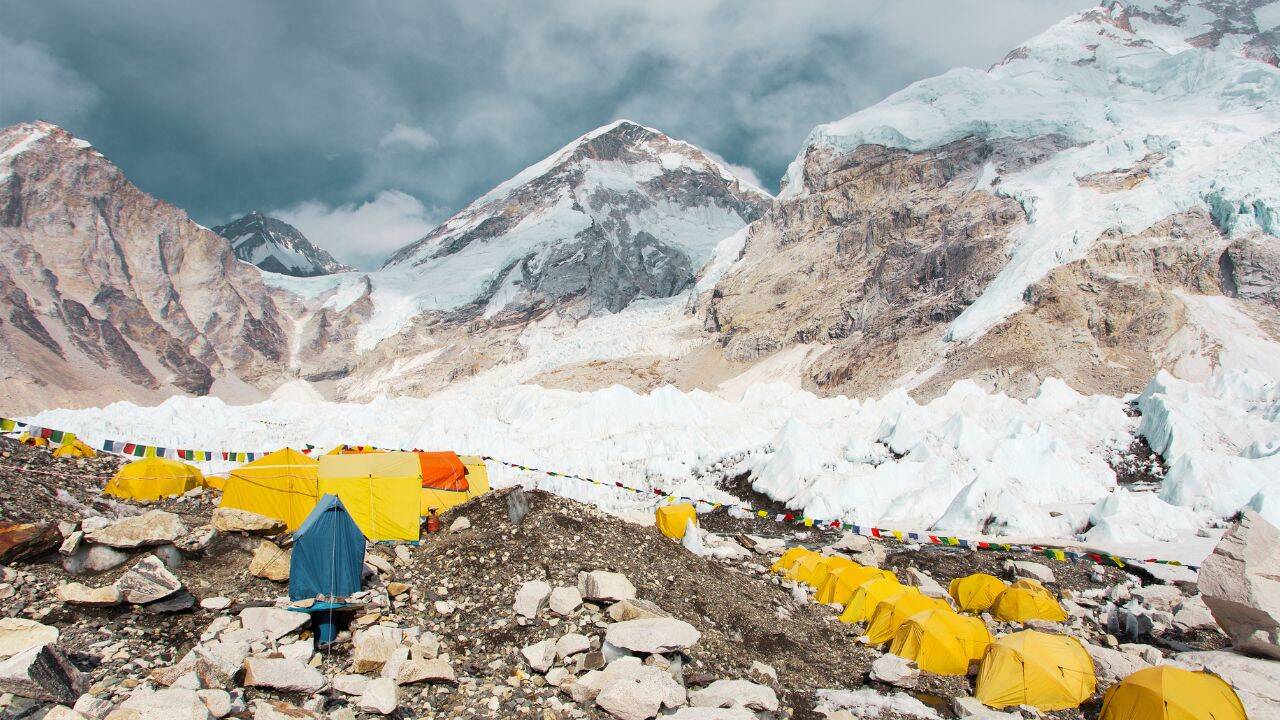
Mount Everest
The main reason is overcrowding. It is a well-thought rule that comes after years of criticism over overcrowding on Everest. The queue of climbers is so long in the so-called “death zone” (above 8,000 metres) that it has raised safety concerns. The issue of overcrowding was raised again during the 2026 climbing season. Nepal issued a record 492 Everest permits, and more than 1,000 successful ascents were recorded. On one day alone, a record 274 climbers reached the summit from Nepal. Experts have long argued that many climbers arrive on Everest without adequate high-altitude experience. This increases the risks not only for the inexperienced but also for Sherpa guides and rescue teams.Understanding the new rule For adventure travellers dreaming of Everest, the biggest change or challenge is quite clear: prior Himalayan experience will become mandatory.Now aspiring climbers will have to prove themselves on a Nepalese peak above 7,000 metres before applying for the world’s highest mountain. Several expedition operators say the measure could help ensure that climbers are already familiar with extreme altitude, glacier travel, and emergency.With this rule, Nepal also made sure to give exposure to its lesser-known high mountains. Now climbers and travellers will also focus on other mountain gems in Nepal such as Himlung Himal, Baruntse and other permitted expedition mountains.Extra strict regulationsNepal authorities have already introduced stricter regulations. This includes higher permit fees, mandatory GPS trackers and insurance requirements. The government has also been working to improve waste management and environmental protection.What does it mean for adventure tourismThe new rules are clearly going to disappoint first-time Everest aspirants. But several experienced mountaineers have loved the proposal. Professional guides have also repeatedly argued that Everest is often underestimated because commercial expeditions make it appear more accessible than it actually is. Despite guided support and supplemental oxygen, Everest is among the world’s most dangerous mountains. The new qualification requirement is expected to encourage climbers to gradually build experience and not jump onto a rash decision.How is it going to affect Indian mountaineers
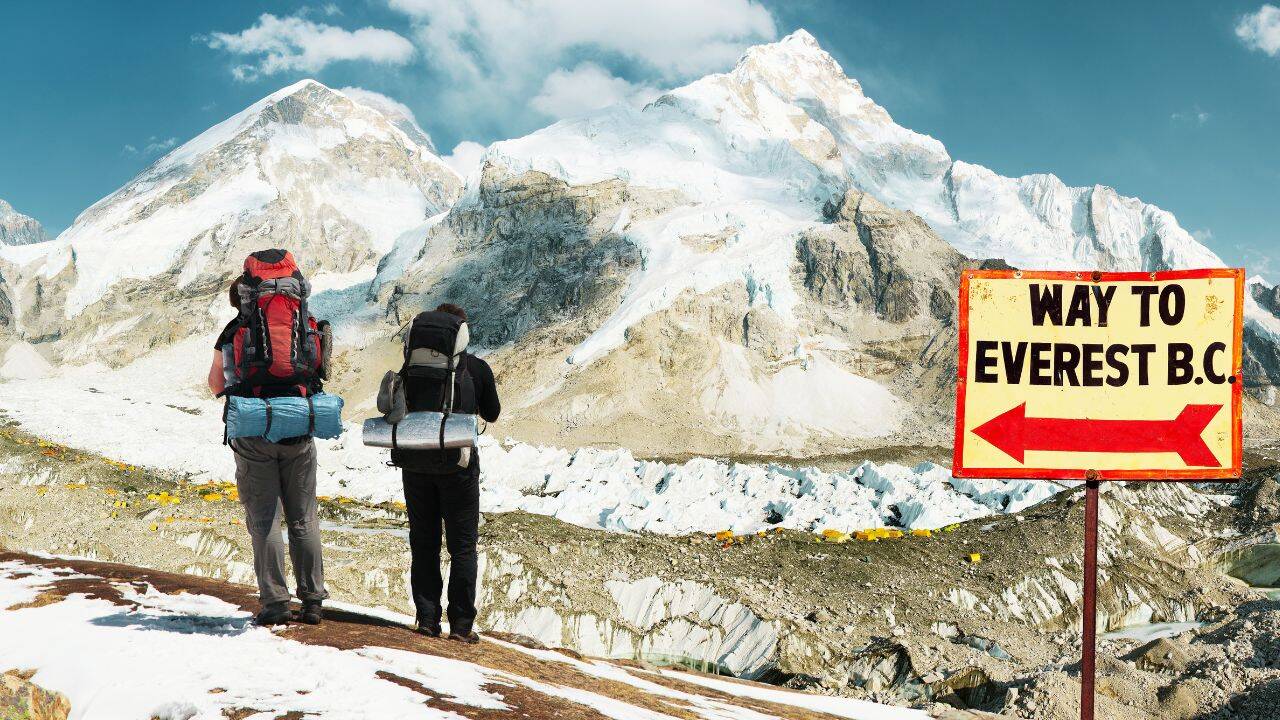
Indian mountaineers
As per reports, India is among the largest source markets for Nepal’s mountaineering industry. Every year, Indian climbers join commercial expeditions to Everest. Under the proposed rules, Indian mountaineers would need to plan their Everest ambitions over several years rather than booking a single expedition. Many could first attempt Nepal’s 7,000-metre peaks before achieving their Everest dream. For adventure travel companies, this may also create demand for multi-stage Himalayan climbing programmes that help aspiring Everest climbers gradually build the required experience.However, for travellers, the changes may initially make Everest seem less accessible. But they could also make the journey safer, more rewarding and more sustainable. For serious mountaineers, the message is clear: the road to Everest will soon begin long before Everest Base Camp.