









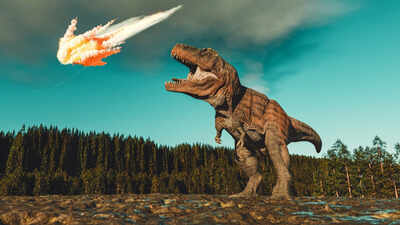
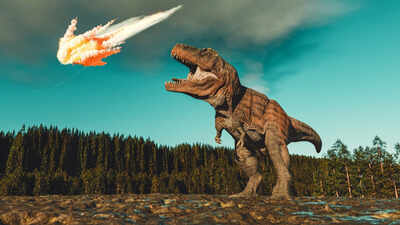
66 million years ago, dinosaurs, the apex predators, roamed the Earth, dominating the land, sea, and sky. Scientists have known for decades that these magnificent creatures were wiped out after a massive meteorite struck Earth. However, they were unsure about what type of projectile delivered such an impact, wiping out 75 per cent of Earth’s species, including non-avian dinosaurs. Now researchers think they have finally found the answer. The massive space rock that wiped out the dinosaurs is a member of an exceptionally rare class of meteorites known as CO chondrites. Researchers at the University of British Columbia (UBC), along with teams in Paris, Brussels, and Vienna, say they have solved a puzzle that has troubled scientists for decades. The findings were published in the journal Science Advances.
A space rock that changed everything
The researchers used advanced nickel isotope analysis of samples to trace the meteorite’s chemical signature to the deadly Cretaceous–Palaeogene impactor. It turns out the meteorite that obliterated most life on the planet was not an ordinary chondrite. It was a CO chondrite, one of the rarest types known.“Carbonaceous chondrites of the Ornans class are definitely not like the typical meteors you find in museum collections,” Dr Philippe Claeys, who worked on the study as a visiting professor at UBC, said.“A CO chondrite contains much fewer volatile elements, like carbon, zinc, water and particularly sulphur, than other classes of meteorites we’ve discovered so far on Earth. It doesn’t alter our theory of what caused the extinction event, but it makes it less likely that sulphur contained in the impactor was the smoking gun. The fine debris thrown into the atmosphere would have been the primary factor.”Using high-precision nickel isotope analysis, researchers from the Institut de Physique du Globe and Université de Paris examined samples that were collected over years from a thin layer of clay created across the globe by the impact.“This is challenging work. Only a minute fraction of the projectile is preserved in the planet’s K–T clay layer because the entire meteorite vaporised upon impact,” Dr Claeys, a professor with Vrije Universiteit Brussel currently visiting the Pacific Centre for Isotopic and Geochemical Research with Earth, Ocean and Atmospheric Sciences at UBC, said.There are still unanswered questions about the origin of this world-shattering meteorite. It likely originated far from Earth, possibly in the outer reaches of the asteroid belt near Jupiter or in distant debris-laden regions beyond the planets.
A rare catastrophe
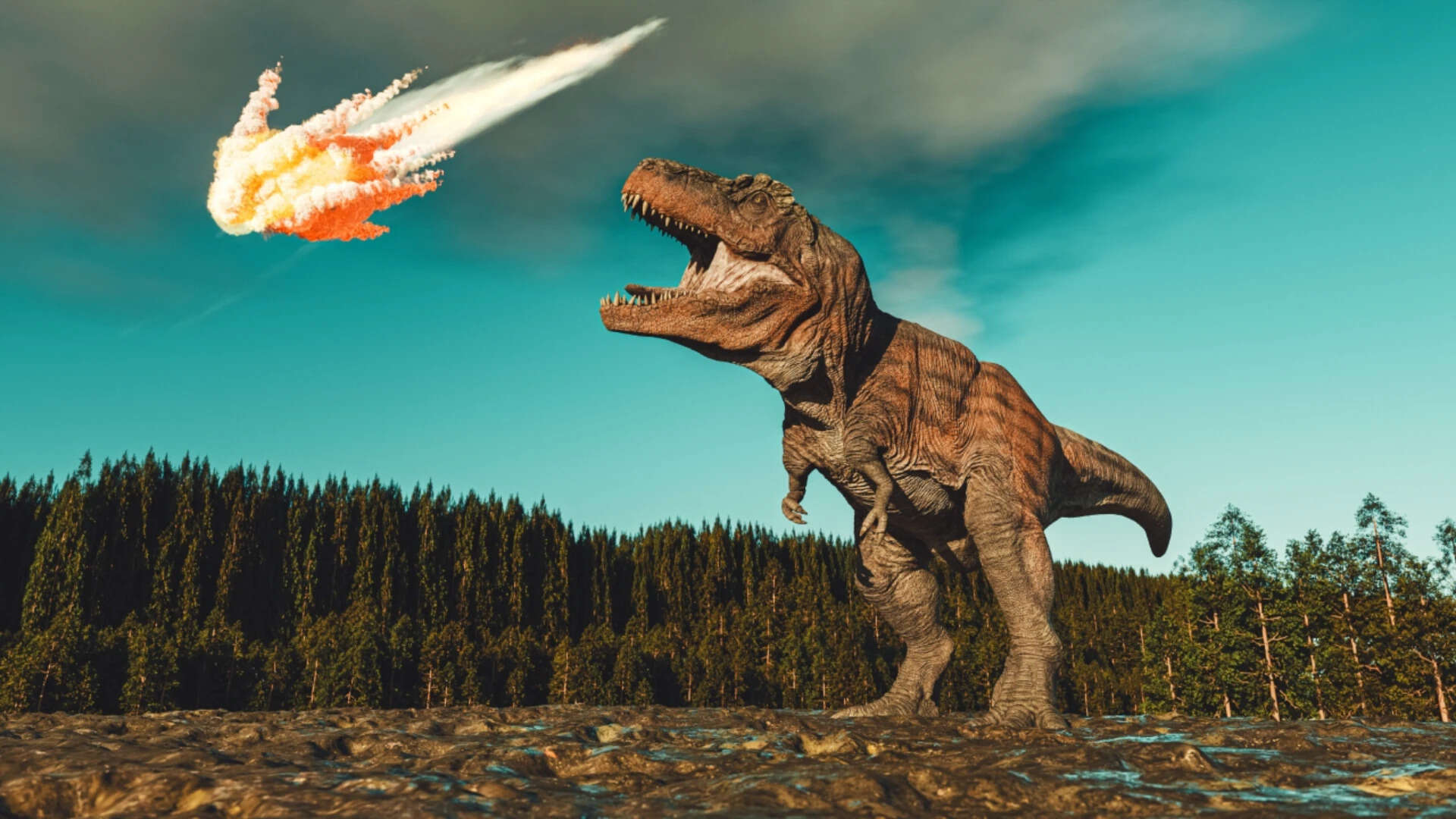
This fascinating discovery also revealed something almost absurdly unlucky about the dinosaur extinction. Of all the space rocks that could have ended a lineage spanning 165 million years, Earth was struck by one of the oddest celestial dice rolls possible. These carbonaceous chondrites make up only five per cent of meteorites so far sampled on Earth. Carbonaceous chondrites of the Ornans class, or CO chondrites, make up a tiny fraction of that group. They are among the most primitive and untouched materials in the Solar System.
How lucky do you think the dinosaurs were in their evolutionary history?
3k+ users shared opinion today
5k+ users already voted today
3k+ users shared opinion today
“Being impacted by such a rare, distant projectile really underscores how unlucky the dinosaurs were,” Dr Claeys said.
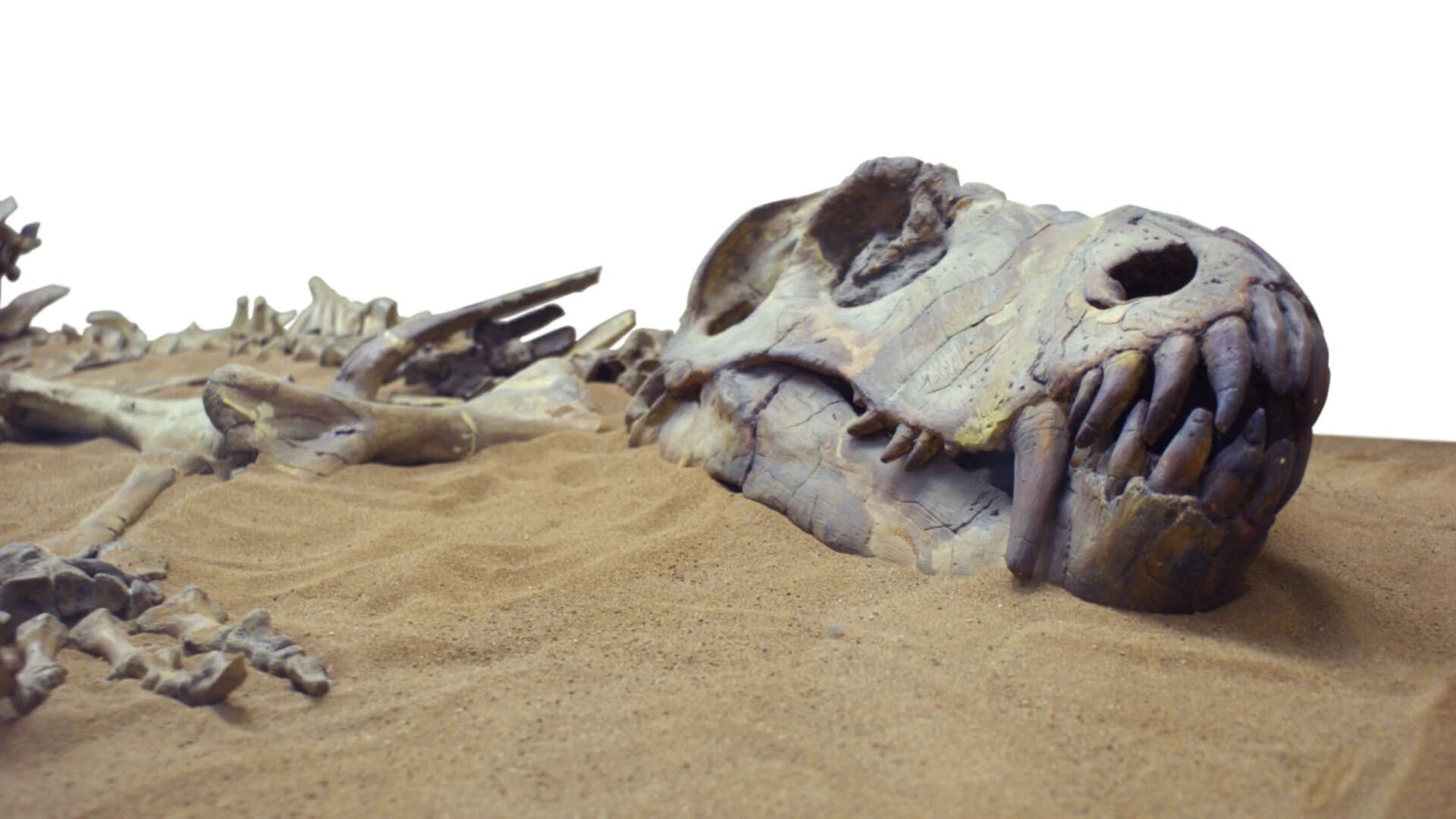
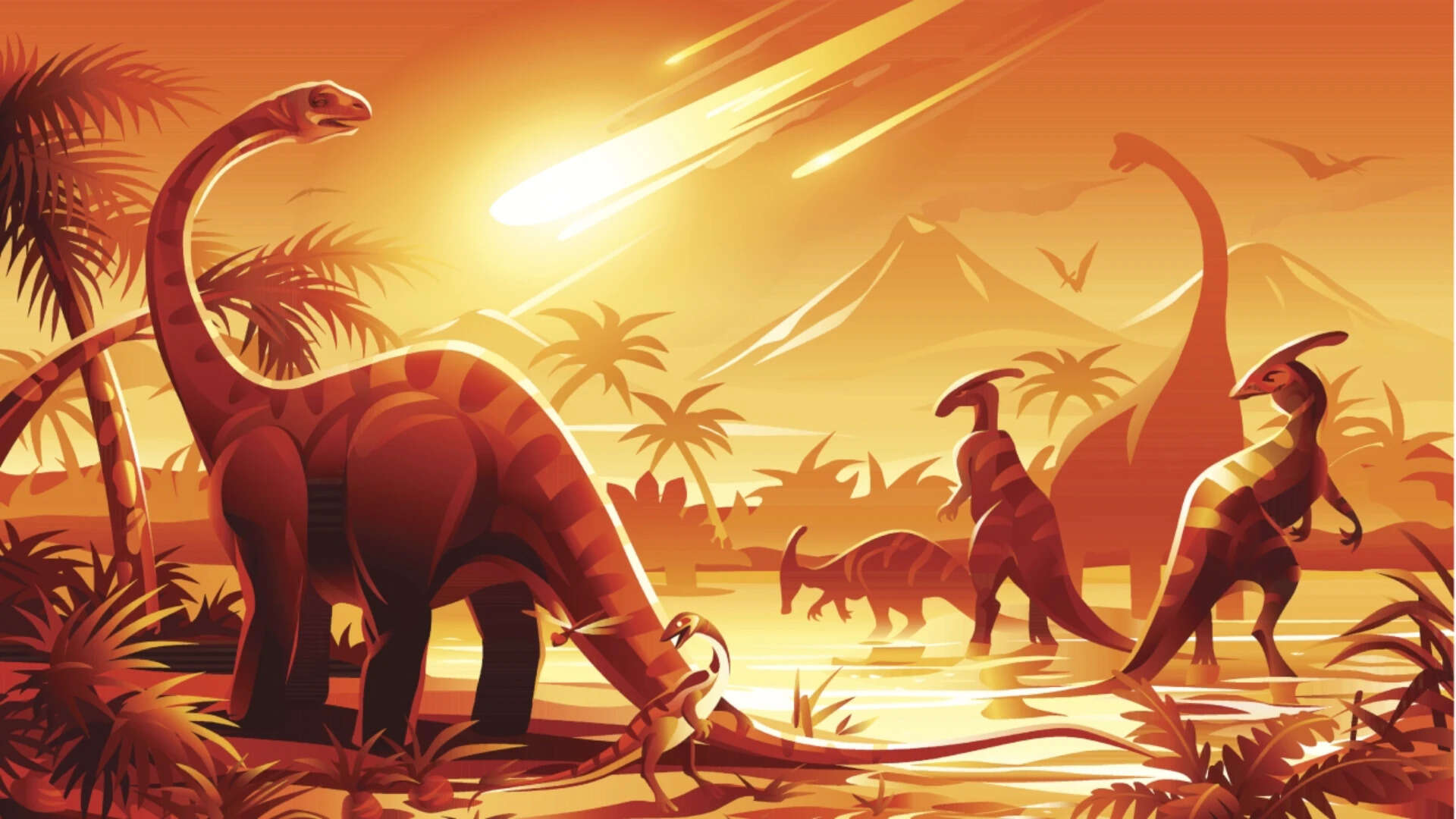
This Cretaceous–Palaeogene impactor measured about 10 to 15 kilometres, or roughly six miles, wide. This massive meteorite hit at an estimated 64,000 km/h, creating the vast Chicxulub crater. The impact was instantaneous and total. The meteorite vaporised completely, its energy releasing in a flash that carved a crater 180 kilometres wide into Mexico’s limestone bedrock. Three-quarters of all species on Earth vanished within months. The impact zone is now buried beneath the Yucatán Peninsula in Mexico.