










Humans may not be the only primates with geometric intuition as monkeys recognise shapes in remarkably similar ways, study finds |

For decades, one idea has shaped discussions about human intelligence: our ability to recognise geometric patterns was thought to set us apart from other primates. People naturally notice features such as symmetry, parallel sides and right angles, and many researchers have argued that this reflects a uniquely human way of thinking.A new study was published…

Read More

Manmohan Singh: 2 years after death, Supreme Court clears former PM Manmohan Singh in Coalgate case | India News

File photo: Former PM Manmohan Singh NEW DELHI: More than 11 years after a Delhi court sensationally summoned former PM Manmohan Singh as an accused in a coal block allotment scam case, the Supreme Court Wednesday gave him a clean chit, closing the case nearly two years after his demise.Special judge Bharat Parashar, presiding over…

Read More

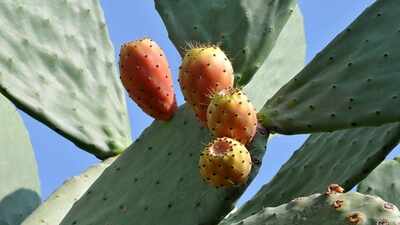
For years, Mediterranean farmers defended prickly pear against removal; a study suggests the cactus can help native plants recover on degraded drylands

Ripened figs of Indian fig opuntia, credit – Wikimedia Commons Across parts of the Mediterranean, farmers have pushed back for years against efforts to remove prickly pear cactus from their land, even as land managers treated it as an invasive species that should be eradicated. Many local communities argued that the plant was doing more…

Read More

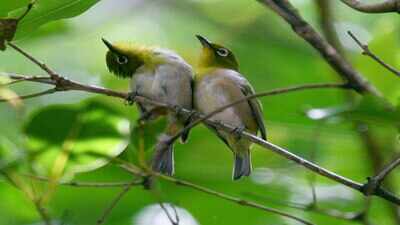
In 1929, Hawaii introduced Japanese white-eyes to control insects; they became its most abundant land bird and began competing with native birds for food | World News

A courting pair of Japanese White-eyes (Zosterops japonicus) – Kauai, Hawaii. Image Credits: Wikimedia Commons. In 1929, Hawaii introduced a small bird from Japan to help control insect pests. The Japanese white-eye, also known as the mejiro, was brought to the islands because officials hoped it would feed on insects harmful to agriculture. Instead, the…

Read More

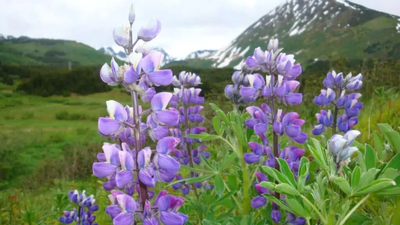
Iceland’s Alaskan Lupins: A Beautiful Bloom or an Ecological Nightmare? | World News

Alaskan lupins were introduced to Iceland to combat soil erosion and reforestation efforts. Image Credit: Alaska Wildland Adventures Every summer, Iceland turns purple as Alaskan lupins bloom across vast swaths of land. For tourists, the flowers have become one of the country’s most striking natural sights. But this beautiful landscape is not without controversy.The flower…

Read More

Los Angeles Coated 700,000 Sq Ft of Dark Asphalt With Reflective Material; During Extreme Heat, Local Air Was Up to 1.9°C Cooler | World News

Los Angeles coated 700,000 sq ft of dark asphalt with reflective material; during extreme heat, local air was up to 1.9°C cooler. Image Credits: Wikimedia Commons. In one of Los Angeles’s hottest neighbourhoods, more than 700,000 square feet of dark asphalt was covered with a solar-reflective coating. The aim was simple: reduce the amount of…

Read More

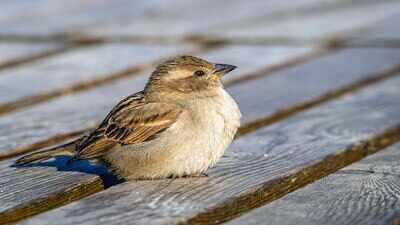
In 1851, New York released house sparrows to eat caterpillars damaging city trees; within 50 years, the birds had colonised nearly the entire continental US | World News

In 1851, New York released house sparrows to eat caterpillars damaging city trees; within 50 years, the birds had colonised nearly the entire continental US. Image credits: Wikimedia Commons. In 1851, a small group of birds was released in Brooklyn to eat insect pests and protect the city’s trees. The house sparrow, a familiar bird…

Read More

In the 1930s, America planted 220 million trees across Dust Bowl farmland; decades later, thousands of km of shelterbelts still protected farms and wildlife

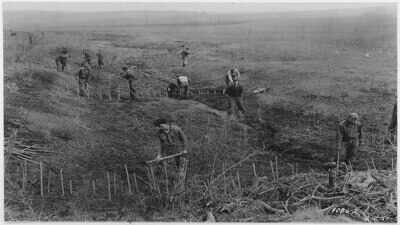
Civilian Conservation Corps (CCC) workers plant willow sprouts in the 1930s as part of large-scale conservation efforts to restore drought-stricken lands and reduce soil erosion during the Dust Bowl era. Image Credit: Wikimedia Commons In the 1930s, the Dust Bowl hit America’s Great Plains and was caused by more than drought alone. Years of intensive…

Read More

North American beavers in sub-Antarctic Chile are doing more than flooding forests; they are turning riparian land into methane-spewing wetlands |

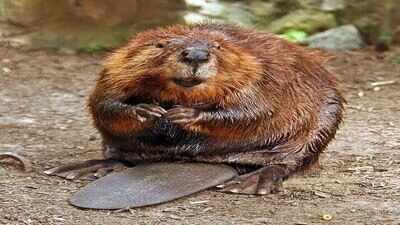
North American beavers in sub-Antarctic Chile are doing more than flooding forests; they are turning riparian land into methane-spewing wetlands. Image Credits: Wikimedia Commons. In the forests of southern Chile, a creature introduced for a fur industry that never took off is reshaping the natural environment. North American beavers are not just chopping down trees…

Read More