







How a small-town barber helped bring America’s Route 66 back to life
Born on April 19, 1927, in Seligman, Arizona, Angel V. Delgadillo Jr. grew up in a large Mexican-American family whose parents had immigrated to the United States from Jalisco and Aguascalientes, Mexico, in 1917. His father, a self-taught barber, provided haircuts to Mexican and Native American residents in the segregated town, introducing Angel to a profession that would shape his life.
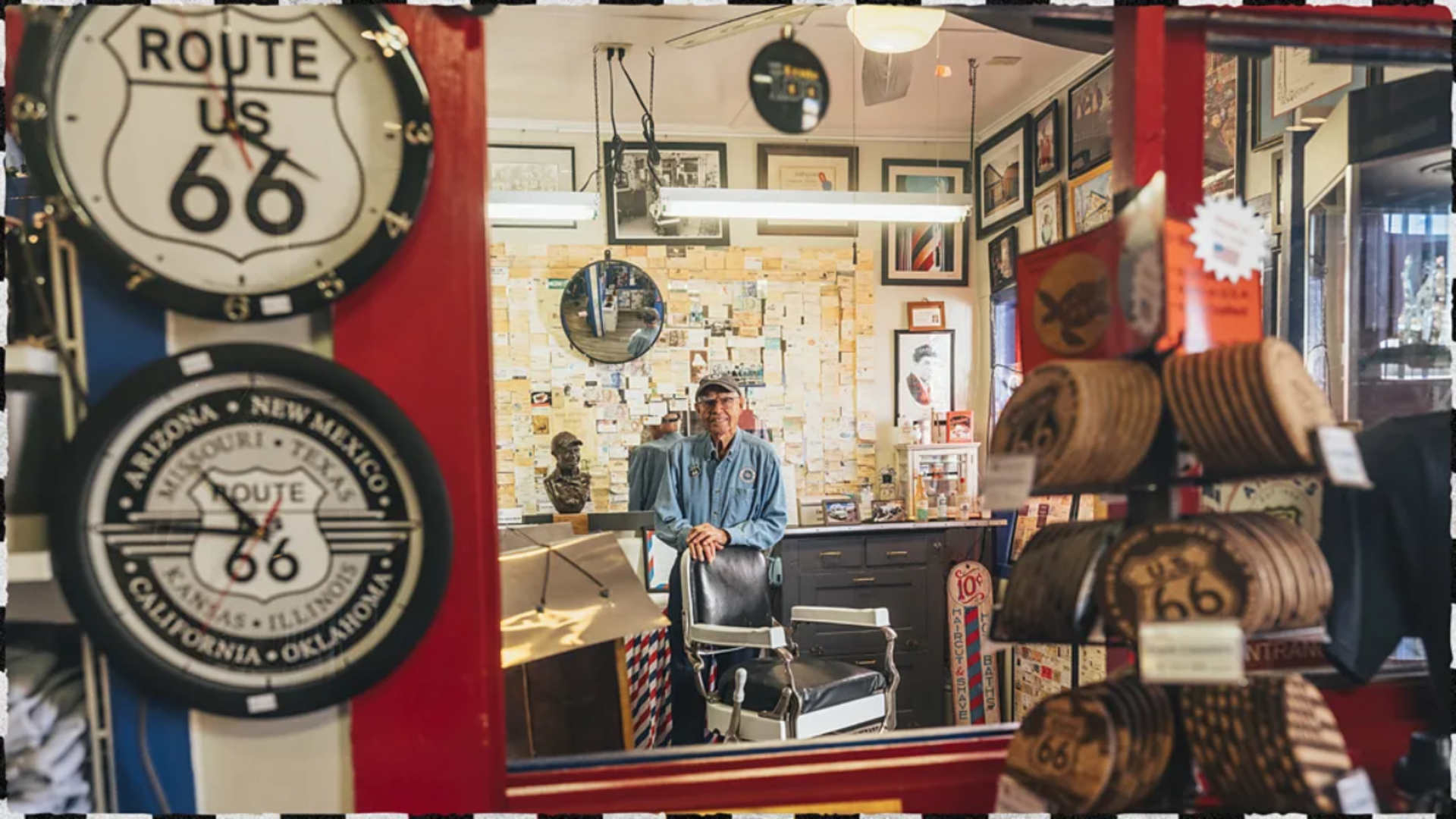
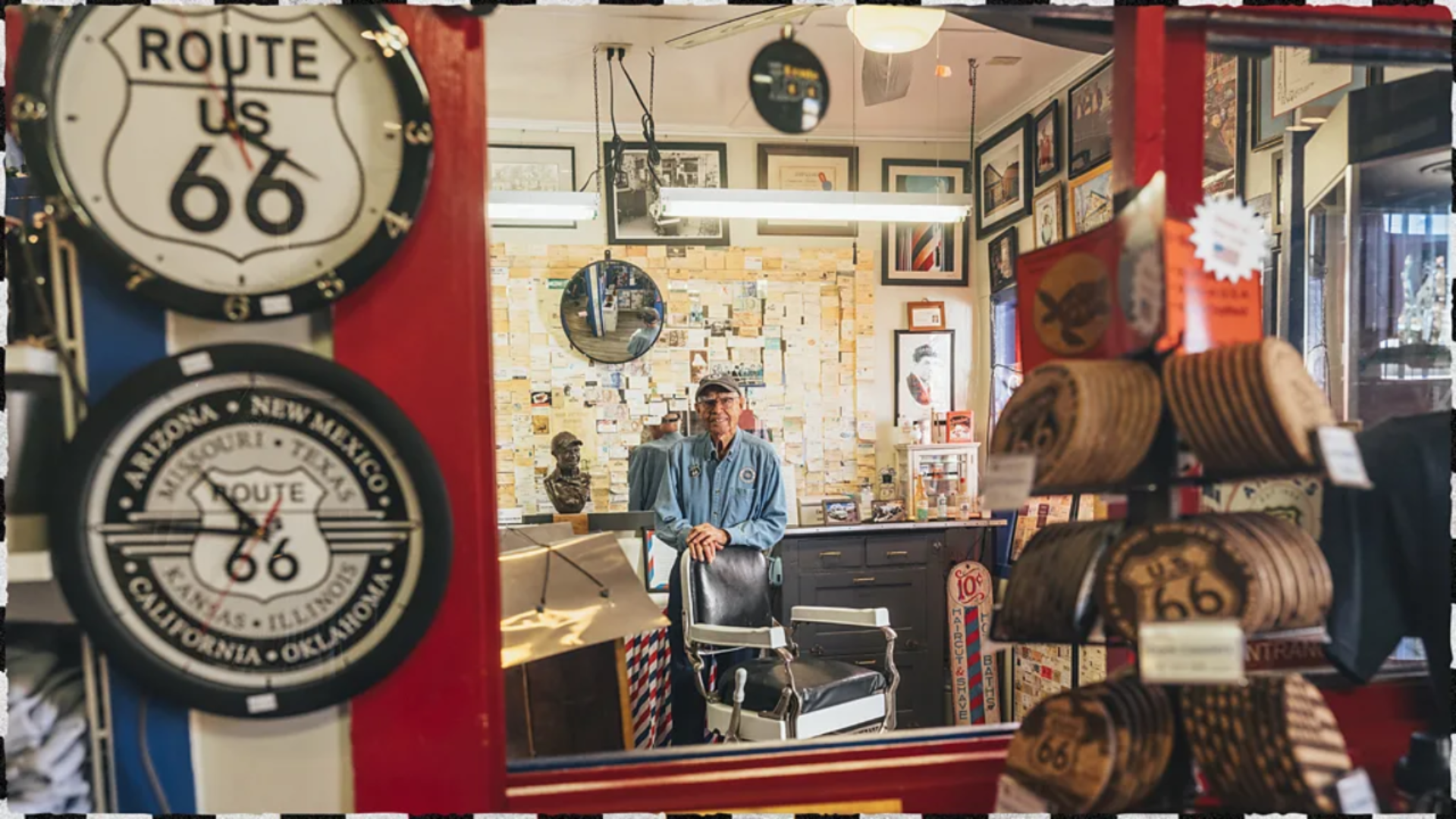
Image: Johnny Kompar/BBC
After graduating from Seligman High School in 1947, Delgadillo attended the American Pacific Barber College in Pasadena, California, before completing his apprenticeship in Williams, Arizona. He returned to Seligman in 1950 and opened his own barbershop in his father’s former pool hall along Route 66, later relocating to a new shop on the highway’s updated alignment in 1972 to attract more customers.The fortunes of both his business and the town changed dramatically in 1978 when Interstate 40 bypassed Seligman, diverting travellers away from Route 66. Local businesses struggled, tourism collapsed and many residents feared the town would slowly disappear. As reported by BBC, rather than watching his hometown decline, Delgadillo emerged as one of the strongest advocates for preserving the historic highway.In 1987, he helped establish the Historic Route 66 Association of Arizona, an organisation dedicated to protecting and promoting Arizona’s section of the Mother Road. The association successfully persuaded the state to recognise surviving stretches of Route 66 as a historic route, inspiring similar preservation organisations across the other Route 66 states and even internationally. His efforts transformed Seligman into a major destination for heritage tourism, proving that one person’s determination could help revive an iconic piece of American history.
Why Angel Delgadillo became the face of Route 66’s revival
Delgadillo believed that saving Route 66 was about far more than preserving an old highway, it was about protecting the livelihoods, history and identity of the communities that had grown alongside it. His modest barbershop in Seligman evolved into an unofficial welcome centre, where visitors from across the United States, Europe, Asia and Australia stopped not only for a haircut but also to hear first-hand stories about the road’s heyday and its decline after the construction of Interstate 40. Through these personal conversations, Delgadillo became one of the most recognisable ambassadors of the “Mother Road”, encouraging travellers to explore its historic towns rather than simply pass them by.His advocacy helped transform Seligman from a struggling bypassed town into one of Route 66’s most iconic destinations. As tourism steadily returned, classic diners, vintage motels, gift shops and restored roadside attractions reopened, breathing new life into the local economy. The success of Seligman’s revival demonstrated that heritage tourism could preserve both cultural history and small-town businesses, inspiring other communities along Route 66 to restore their own landmarks and embrace the road’s nostalgic appeal.Delgadillo’s influence even extended to Hollywood. While researching what became Pixar’s Cars (2006), director John Lasseter travelled along Route 66 and spent time with Delgadillo in Seligman. Their conversations about the impact of interstate highways on small American towns helped shape the emotional backdrop of the film. Although Pixar has never identified a single real-life model for Radiator Springs, Seligman is widely regarded as one of its key inspirations, and Delgadillo’s lifelong campaign to revive Route 66 is often credited with influencing the film’s central message about preserving forgotten communities and celebrating America’s historic roadside culture.
Why the ‘Angel of Route 66’ still inspires travellers
Even at 98, Angel Delgadillo remains one of Route 66’s most recognisable figures. Visitors continue travelling from across the world simply to meet the man whose passion helped rescue an American icon from being forgotten.His lifelong advocacy has earned him titles including the “Guardian Angel of Route 66”, the “Father of the Mother Road” and the “Ambassador of Route 66”. More importantly, his work demonstrated how one determined individual can preserve local history for future generations.Today, Route 66 attracts millions of visitors each year, and Seligman stands as a testament to Delgadillo’s belief that communities, memories and heritage are worth fighting for. His story continues to remind travellers that sometimes the greatest journeys begin with one person refusing to let the past disappear.