










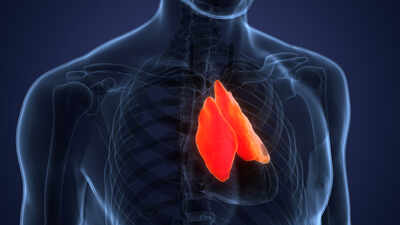
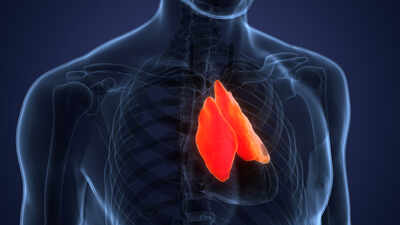
Do you also Google to know about your lifespan? If yes, you will be surprised to know that the answer actually lies within your body. For decades, scientists believed that one tiny organ in the human body had little purpose after childhood. Hidden behind the breastbone and rarely discussed outside medical textbooks, the thymus was thought to gradually shrink with age and fade into biological obscurity. Now, a ground breaking research published in nature states something beyond your imagination.In two studies, researchers from Mass General Brigham found that the thymus in your body can predict a lot about your lifespan. The findings challenge decades-old assumptions about the thymus and could reshape how scientists think about healthy aging and disease prevention.
What is the Thymus
Thymus is a small organ located in the upper chest, just behind the breastbone. While many people have not heard of it, it plays a vital role in the immune system by helping produce and “train” T cells—specialized white blood cells that identify and destroy harmful bacteria, viruses, and abnormal cells, including cancer cells.According to scientists, the thymus is most active during childhood. After puberty, it gradually shrinks and is replaced by fatty tissue, leading many researchers to assume it had little impact on adult health. However, the latest research says something more. Scroll down to find out.
AI and CT scans
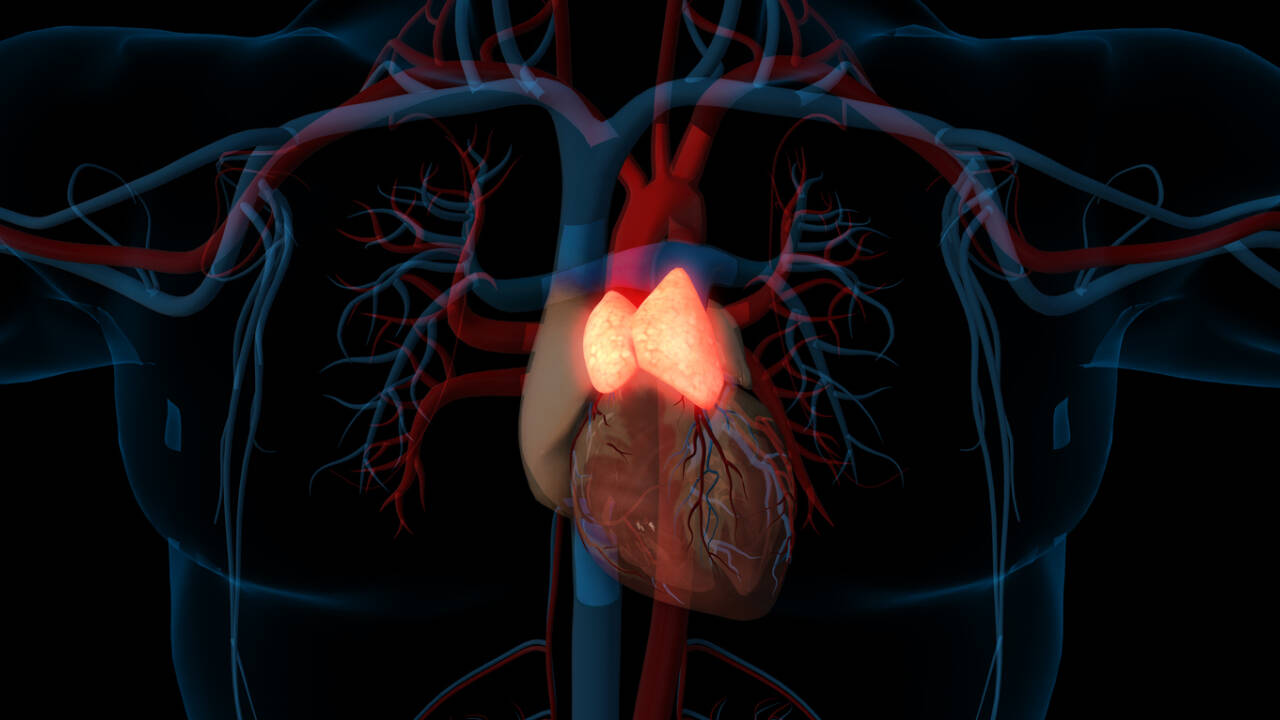
To understand the importance of the thymus in the human body, researchers have turned to AI. Using AI-powered image analysis, the team examined routine CT scans from more than 25,000 adults who participated in a national lung cancer screening trial. The team also analysed data from over 2,500 participants in the long-running Framingham Heart Study. The research states that the AI system evaluated the size, structure, and composition of each participant’s thymus to generate what researchers called a “thymic health” score.
What did the result say
According to researchers, the most striking part of the study was the difference between healthier and less healthy thymuses. The study reveals that compared with participants who had poorer thymic health, those with healthier thymuses had a 50% lower risk of death from any cause. Also, they had a 63% lower risk of dying from cardiovascular disease and a 36% lower risk of developing lung cancer. Most importantly, these associations remained the same even after researchers accounted for factors such as age and other health conditions.
Why the Thymus may matter more
According to research, it is important to understand that the body’s immune system depends on a diverse population of T cells to recognize new infections, abnormal cells, and cancer. And as the thymus deteriorates with age, it may produce fewer new T cells, reducing the body’s ability to respond to emerging health threats. The researchers believe that this decline in immune resilience could partly explain why some people remain healthier as they age while others become more vulnerable to chronic illnesses and cancer.
Could it help cancer patients
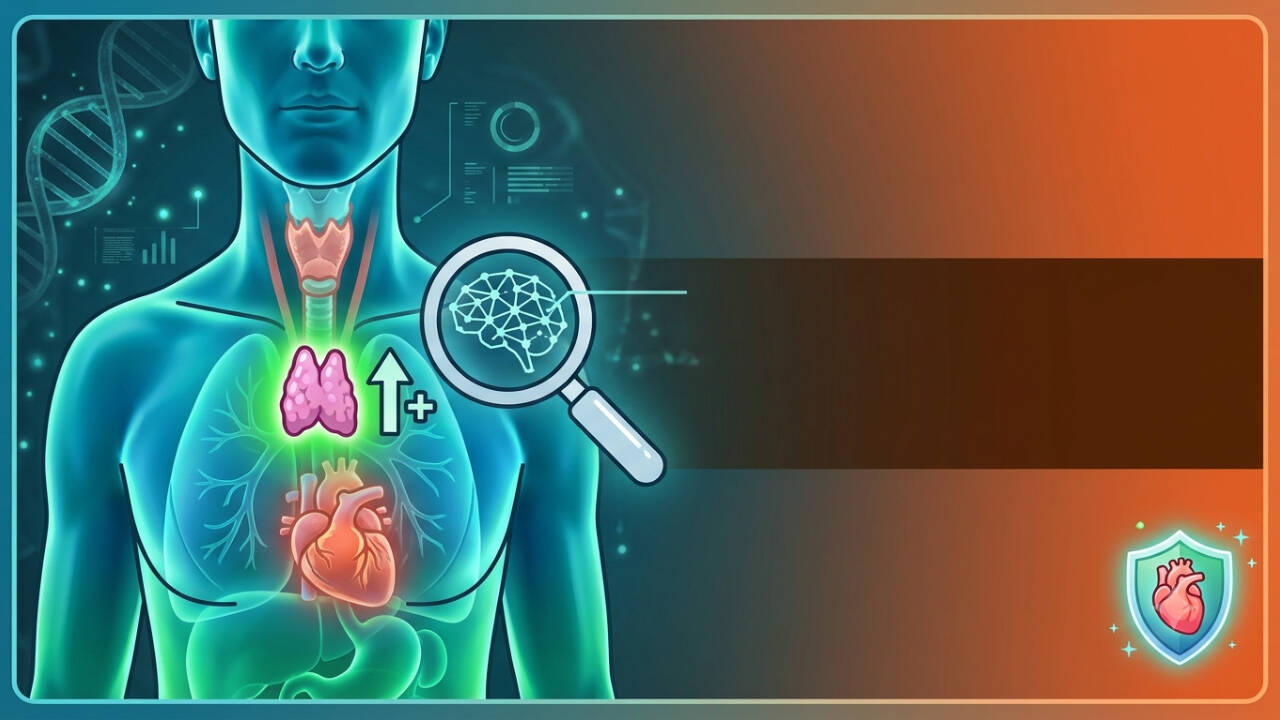
A second study in the research found that thymic health may also influence how well cancer patients respond to immunotherapy, a treatment that harnesses the body’s immune system to attack tumors. It mentions that patients with healthier thymuses appeared more likely to benefit from immunotherapy, indicating that the organ’s condition could later help doctors predict which treatments are most likely to succeed. Although additional studies are needed, the research mentions this.
How far lifestyle habits impacts the thymic health
The researchers have identified that poorer thymic health is also a result of regular smoking, chronic inflammation, and higher body weight. While the study did not prove that improving these factors directly restores the thymus, the findings suggest that lifestyle choices also affect the overall immune health of humans.
How do scientists see aging
According to the researchers, the thymus may be a “missing piece” in understanding why people age differently and why some individuals remain healthier than others despite growing older.
What does this mean for you
While the researchers did not mean doctors can currently predict an individual’s lifespan by looking at the thymus. The study identified strong associations, but it does not prove that thymic health directly determines longevity. Instead, the findings suggest that this long-overlooked organ could become an important indicator of overall immune health and healthy aging and more research will be needed.Images Courtesy: istock and Google Gemini