










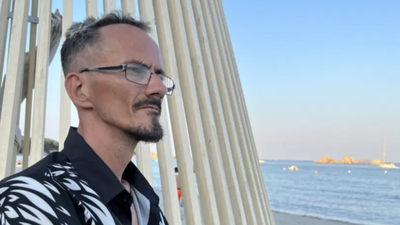
The death of French streamer Raphaël Graven, known online as Jean Pormanove, has now led to convictions in France, bringing a major development in a case that raised difficult questions about online entertainment, consent and streamer safety. Safine Hamadi and Owen Cenazandotti were convicted over violence connected to Graven, who died during a livestream in August 2025. However, neither man was convicted of causing his death.
What happened to French streamer Jean Pormanove?
Graven, 46, had built a large following by appearing in livestreams that frequently involved humiliation, verbal abuse and physical stunts. His content attracted more than one million followers across social media, with much of his audience watching on Kick.The streamer died in Contes, a village near Nice, in August 2025. His death occurred while his activities were being broadcast online, creating widespread concern over the nature of the content and the treatment he received during streams.French prosecutors did not pursue manslaughter charges against Hamadi and Cenazandotti. According to the prosecution, the probable causes of Graven’s death appeared connected to his existing poor health and a fragile heart.The case nevertheless focused heavily on the violence surrounding his livestream appearances.Both men argued that Graven had consented to the stunts. His lawyer said Graven had previously told police that he agreed to the activities. The court ultimately acquitted the two men of abusing his psychological frailty.
Why were Safine Hamadi and Owen Cenazandotti convicted?
Although the court did not find them responsible for Graven’s death, Hamadi and Cenazandotti were convicted of aggravated violence.Hamadi received an 18-month suspended prison sentence and a €5,000 fine. Cenazandotti was given a two-year suspended sentence and ordered to pay €15,000.Both men were also banned from posting on Kick for six months.The punishments underline the distinction at the heart of the case. The court found grounds to punish violence connected to Graven’s treatment, while prosecutors did not establish that the defendants were responsible for his death.Hamadi expressed remorse during the trial, adding another emotional layer to a case that has drawn attention far beyond France.The controversy has also placed Kick under increased scrutiny. French authorities are continuing to investigate the streaming platform, although Kick was not a party to the proceedings against Hamadi and Cenazandotti.In a statement to the New York Times, Kick said: “The ruling relates solely to two individual content creators.”That statement reflects one of the biggest unanswered questions surrounding the case: how much responsibility should streaming platforms carry when extreme content becomes part of a creator’s regular broadcasts?Graven’s death has intensified debate about the limits of livestream entertainment. Content designed to shock can attract huge audiences, but the case has raised concerns about what happens when humiliation and violence become part of the business model.The livestream showing Graven after his death was later removed from Kick. His case now stands as a stark reminder of how quickly online entertainment can cross boundaries that are difficult to reverse.For his followers and the wider streaming community, the convictions offer some accountability. But with the investigation into Kick still continuing, questions about platform responsibility, consent and creator protection remain unresolved.