











Burkina Faso has recorded more than $6 billion worth of gold through official channels in the first six months of 2026, as the country’s military-led government continues efforts to bring more gold mining under state supervision.The government says the move is part of a wider plan to make the gold industry more transparent, reduce illegal trading and ensure that a larger share of mining revenue stays within the country. The reforms cover both large industrial mines and thousands of small-scale miners who work across the country.The update was shared during the mid-year review of the 2026 performance contract of Energy, Mines and Quarries Minister Yacouba Zabre Gouba, Business Insider Africa reported. According to the government, the ministry had achieved an overall execution rate of 61.7% as of June 30.Gold is Burkina Faso’s biggest export and one of its most important sources of income. The country is among Africa’s leading gold producers, making the sector crucial for government revenue, employment and foreign exchange earnings.
More than 55 tonnes of gold recorded
According to the government, industrial mines produced 26 tonnes of refined gold during the first half of 2026. At the same time, the National Precious Substances Company (SONASP), a state-owned company, purchased about 29 tonnes of gold from artisanal and semi-mechanised miners. This is already close to its full-year target of 45 tonnes.Together, these two sources accounted for more than 55 tonnes of gold moving through Burkina Faso’s official production and purchasing system during the first six months of the year.Based on current international gold prices of about $3,400 per troy ounce, that amount of gold is worth roughly $6 billion.The figures show not only the country’s large gold production but also the government’s success in bringing more gold into official channels instead of allowing it to be traded outside the formal system.
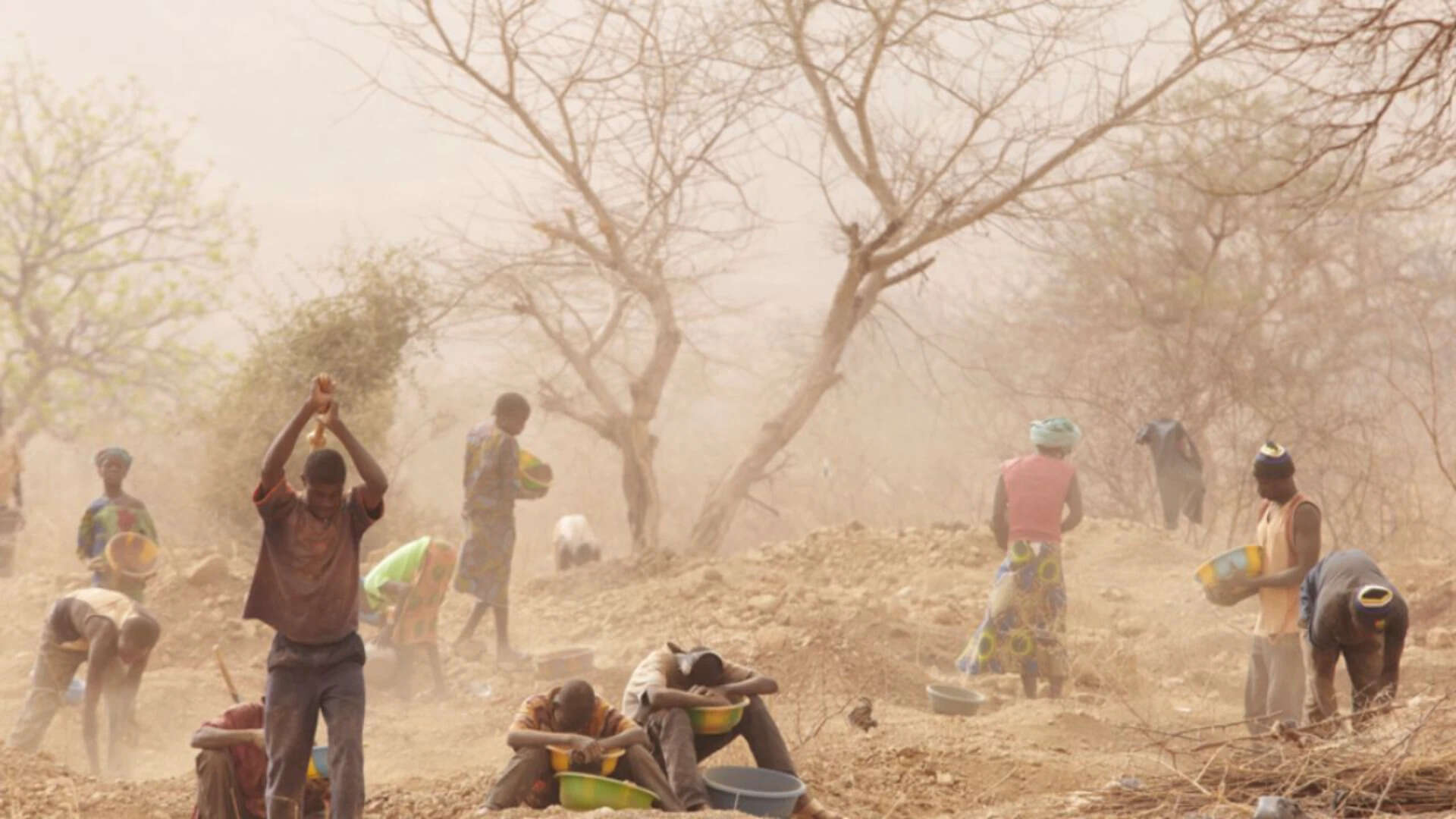
Workers at a gold mine in Burkina Faso. (Andy Hall- International photography award)
Why government wants more gold in official channels
Large mining companies already report their production directly to the authorities. However, gold produced by artisanal and semi-mechanised miners has traditionally been harder to track.Artisanal mining refers to small-scale mining carried out by individuals or small groups using basic equipment. Semi-mechanised mining uses some machines but is still much smaller than large industrial mining operations.Because these smaller mining activities are spread across many regions, part of their gold has often been sold through unofficial markets or smuggled out of the country.To reduce this, the government uses SONASP to buy gold directly from these miners. This allows the state to record production, monitor where the gold comes from and bring more of it into the formal economy.
New mining reforms
Several reforms have been introduced under the country’s new Mining Code. As part of these changes, authorities created nine new artisanal mining cooperatives across different parts of the country.A mining cooperative is a group of miners who work together under an organised structure. Such cooperatives can make it easier for the government to regulate mining activities, improve working practices and ensure that gold is sold through official channels.The authorities also identified four artisanal mining corridors. These corridors are designated areas where small-scale mining activities can take place alongside industrial mining operations with fewer conflicts over land use.Officials said the government has also continued operations involving the control, pouring, weighing and packaging of gold before it enters official supply chains.At the same time, authorities said they have intensified efforts to dismantle illegal gold trading networks operating in the country.According to Monthly Review, earlier this month, Burkina Faso also inaugurated its first state-owned industrial gold mine at Bouboulou.